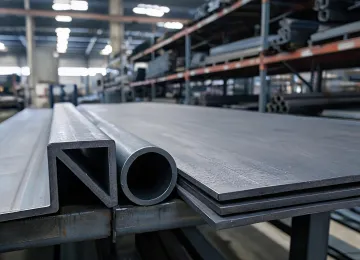
Carbon & Structural Steel
Use when the job needs economical strength, weldability, structural shapes, and straightforward fabrication.
Material Guides
Use plain-language guidance to compare carbon steel, aluminum, and stainless steel by strength, corrosion exposure, weight, finish, fabrication method, and common shop questions.
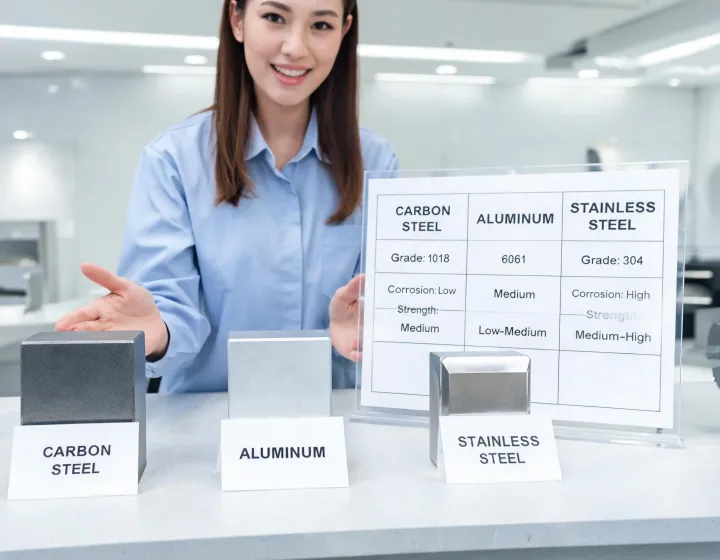
Start by metal family
Most projects start with a practical comparison. The guide helps buyers decide whether the job needs cost-effective strength, lower weight, or better corrosion resistance.
Use when the job needs economical strength, weldability, structural shapes, and straightforward fabrication.
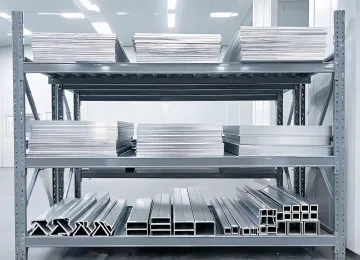
Use when lower weight, machinability, corrosion resistance, and clean appearance matter more than raw stiffness.
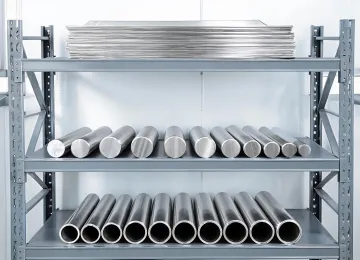
Use for washdown, appearance, food-contact style environments, corrosion exposure, and durable finished parts.
A buyer may arrive with a simple phrase like "I need metal plate," but the useful answer depends on much more than the noun. Will the part be welded or bolted? Does it sit outdoors? Is weight a handling issue? Will the surface be visible? Does the part need to be bent, machined, drilled, or cleaned with chemicals? These questions guide the first split between carbon steel, aluminum, and stainless steel.
Carbon and structural steel often win when cost-effective load-bearing strength is the priority. Aluminum helps when weight reduction, handling, and machinability matter. Stainless steel becomes the practical choice when corrosion resistance, cleaning, and appearance have more value than the lower upfront cost of carbon steel. The guide is not a substitute for engineering judgment, but it gives non-specialist buyers a cleaner way to ask the right questions before purchasing.
Good material guidance does not pretend every alloy is perfect. It explains the tradeoff clearly enough for the buyer to move forward.
Selection checks
| Factor | Carbon Steel | Aluminum | Stainless Steel |
|---|---|---|---|
| Typical advantage | Economical strength | Lower weight | Corrosion resistance |
| Common forms | Plate, tube, angle, channel | Sheet, plate, extrusion, bar | Sheet, bar, tube, plate |
| Shop notes | Weld, paint, or coat as needed | Review thickness and fasteners | Match grade to cleaning exposure |
| Good first question | Is strength or cost the priority? | Is weight reduction important? | Will corrosion or finish drive value? |
Send the application, environment, shape, and rough size. The team will help compare common material paths and identify what still needs to be confirmed.